


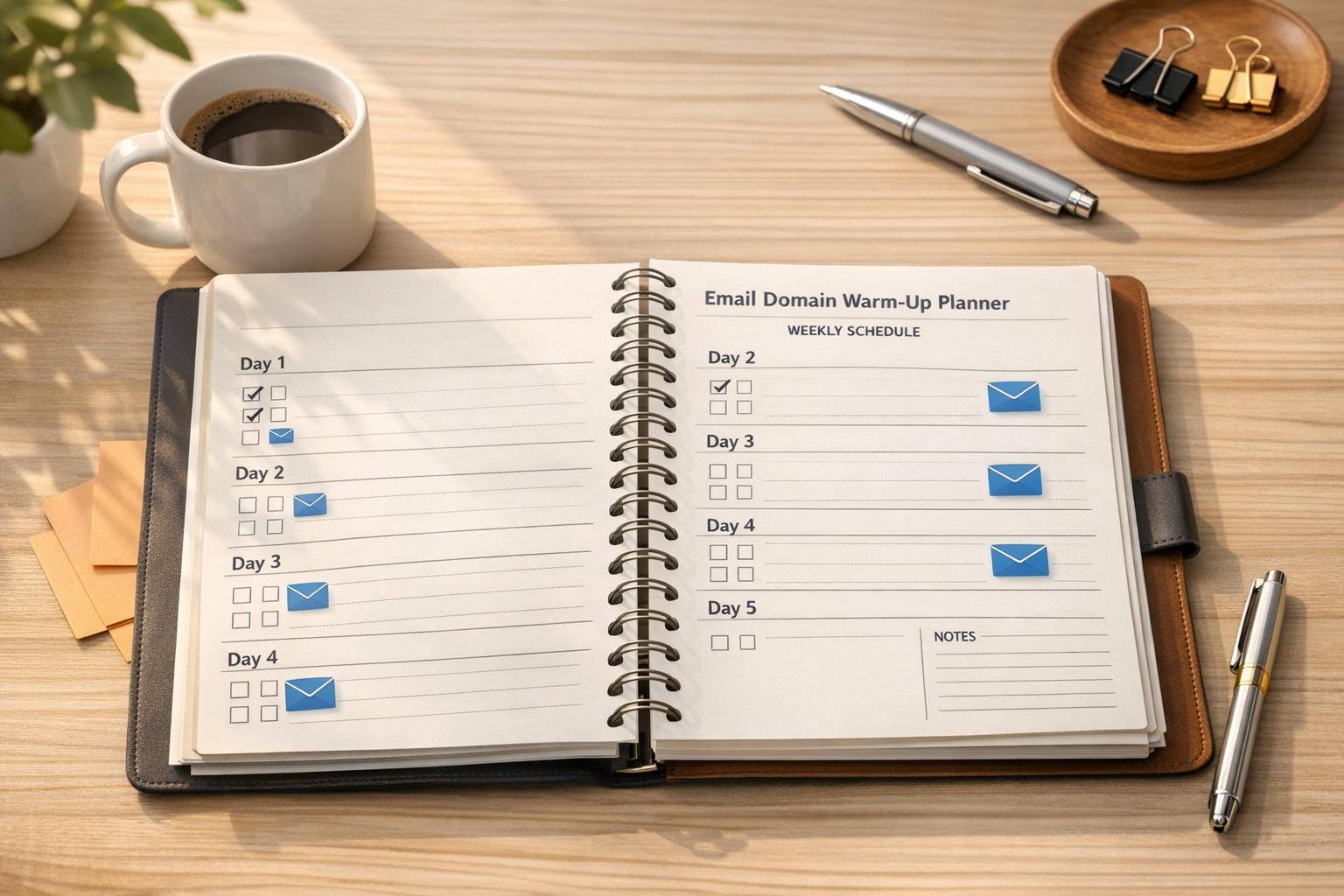
Email Domain Warm-Up Planner
Boost Your Email Success with a Domain Warm-Up Strategy
Starting fresh with a new email domain can be tricky. Without a solid sender reputation, your messages might end up in spam folders before they even get a chance to shine. That’s where a thoughtful warm-up plan comes in handy. By gradually increasing your sending volume, you signal to email providers that you’re a legitimate sender, paving the way for better inbox placement.
Why Gradual Growth Matters
Email providers keep a close eye on new domains. A sudden burst of emails can trigger red flags, making them think you’re a spammer. Instead, starting small, say, with just a handful of messages on day one, and ramping up slowly over weeks helps build trust. Pair this with engaging content that recipients actually want to open, and you’re setting yourself up for long-term success.
Tips for a Strong Start
Focus on sending to active, familiar contacts first. Monitor open rates and replies, and tweak your approach as needed. With a structured schedule for building domain credibility, you’ll avoid common pitfalls and see your emails land where they belong. Take control of your outreach today!
Related reading
Frequently asked questions
How many emails should I send on the first day of domain warm-up?+
Start with a very small volume—typically 5-20 emails on day one. This conservative approach signals to email providers that you're a cautious, legitimate sender. From there, gradually increase your daily volume by 10-20% each day over the course of 2-4 weeks until you reach your target sending capacity.
What happens if I skip the warm-up process for my new domain?+
Skipping warm-up can severely damage your sender reputation before you even get started. Email providers will likely flag your messages as spam when they see a sudden high volume from an unknown domain. This results in poor inbox placement, high bounce rates, and potentially getting your domain blacklisted, which can take months to recover from.
Should I send to my entire email list during the warm-up period?+
No, start with your most engaged contacts first—people who know your brand and are likely to open and reply. Avoid cold lists, purchased contacts, or inactive addresses during warm-up. High engagement rates from familiar recipients help build positive sender signals, while bounces and spam complaints from unknown contacts will hurt your reputation when it's most vulnerable.
Can I warm up multiple email domains at the same time?+
Yes, but each domain needs its own independent warm-up schedule. Email providers track sender reputation per domain, so you can't transfer credibility from one to another. If you're managing multiple domains, stagger your warm-up schedules to avoid overwhelming your team and ensure you can properly monitor engagement metrics for each one.
What metrics should I track during email domain warm-up?+
Focus on open rates, reply rates, bounce rates, and spam complaints. Healthy warm-up typically shows open rates above 20-30% and bounce rates below 2%. Monitor whether emails land in spam folders by using seed lists or asking trusted contacts. If you see declining engagement or increasing bounces, slow down your volume increase and improve your content quality.
Do I need to warm up a domain if I'm only sending transactional emails?+
Even transactional emails benefit from warm-up, though the process can be faster. If you're sending order confirmations or password resets, start with moderate volumes and scale up over 1-2 weeks rather than 3-4. The key difference is that transactional emails typically have higher engagement rates, which helps build reputation more quickly than cold outreach.