



How to Build a Scalable AI-Powered Cold Outreach System
In a world where email inboxes are flooded with cold outreach campaigns, standing out is no longer a luxury - it's a necessity. If you're a sales development representative (SDR), agency owner, or freelance marketer facing the challenges of scalability and deliverability in outreach, this guide is for you. By leveraging a cutting-edge, AI-powered system, you can automate and personalize cold outreach at scale while keeping costs surprisingly low. This article unpacks a six-step workflow based on a transformative approach to cold outreach, as highlighted in a recent video tutorial.
Why AI-Powered Outreach Matters
The success of any outreach campaign hinges on two critical factors: intent and personalization. Generic, one-size-fits-all emails are unlikely to gain traction in today’s competitive landscape. By incorporating AI into your workflow, you can target high-intent leads, research their specific needs, and craft hyper-personalized icebreakers - all while saving time and reducing costs. This approach doesn’t just increase response rates; it positions your brand or service as a thoughtful solution to a prospect's pain points.
The Six-Step Workflow to Build Your System
This AI-powered cold outreach strategy is built on a streamlined process integrating tools like LinkedIn job scraping, AI filtering, and automated email personalization. Here’s how you can replicate it step by step:
1. Identify High-Intent Prospects
Start by leveraging LinkedIn job postings. Search for companies hiring for positions that align directly with the problem your product or service solves. For instance, if you provide virtual receptionist services, search for companies hiring for receptionist roles. Utilize LinkedIn’s filtering options (e.g., location, experience level) to refine your results for better targeting.
Why it works: Job postings are treasure troves of buyer intent data. Companies hiring for specific roles are signaling clear pain points or growth opportunities that your solution can address.
2. Scrape Data Using Appify
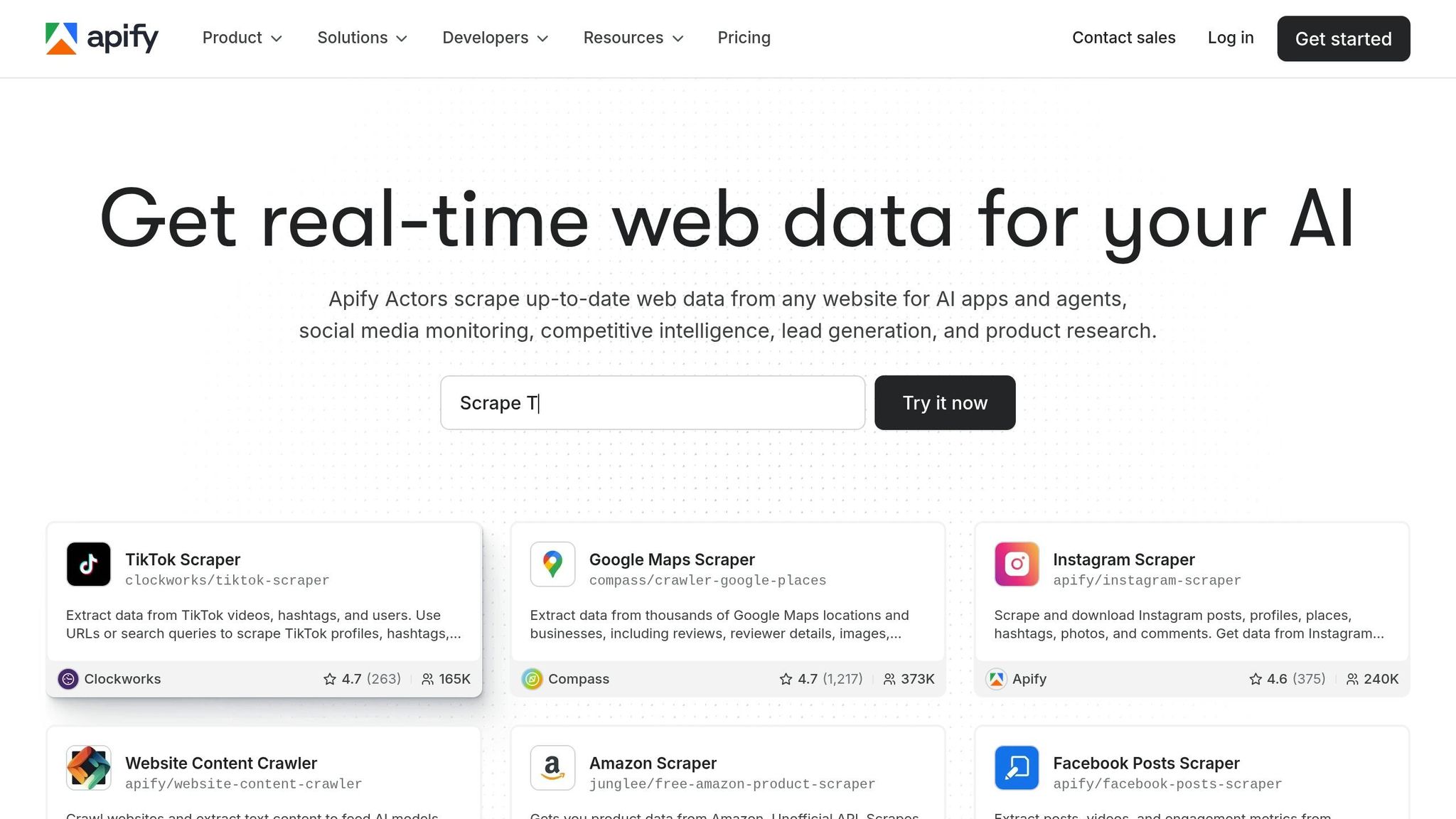
Use a scraper like Appify to extract data from LinkedIn job postings. Appify allows you to pull thousands of data points from job listings at a minimal cost (around $1 per 1,000 results). This data forms the foundation of your outreach campaign.
Pro Tip: Be mindful of "junk entries" (e.g., postings from job boards or staffing agencies like Lensa). Create filters to exclude irrelevant data and ensure your list only includes direct hiring companies.
3. Eliminate Duplicate and Irrelevant Leads
After scraping, cross-check your data against an existing Google Sheets database to ensure you’re not duplicating outreach efforts. Use AI tools like ChatGPT to evaluate the relevance of each lead, ensuring that job postings align with the specific problem your product solves.
Example: If you're targeting receptionist roles, exclude postings for administrative assistants or executive assistants, as their responsibilities might not align with your offering.
4. Identify Decision Makers
Once you’ve validated your leads, shift your focus to identifying decision-makers within those companies. Many LinkedIn job postings include profiles of hiring managers or recruiters. Use tools like AnyMailFinder to retrieve their email addresses. If no hiring manager profile is available, locate relevant decision-makers within the company (e.g., HR leads or department heads).
Why it matters: Targeting the right decision-maker ensures your message reaches someone capable of making purchasing decisions.
5. Automate Icebreaker Creation
AI takes center stage here. Use tools like ChatGPT to generate personalized icebreakers for each lead. By conducting web research (e.g., via tools like Perplexity), you can incorporate insights into your email, such as company expansion plans or industry achievements.
Sample Icebreaker: "Hi [Name], I noticed your company just expanded into [City]. Congratulations! I'd love to learn more about what’s driving this growth and how we can support your momentum."
The result: Your outreach feels thoughtful and tailored, increasing the likelihood of engagement.
6. Push Leads to an Automation Tool
Finally, compile all the lead data, including names, email addresses, and personalized icebreakers, into a Google Sheet. From there, integrate it with your preferred email automation tool (e.g., Instantly) to launch your campaign efficiently.
Cost Breakdown:
- Appify Scraper: $1 per 1,000 results
- AnyMailFinder: $50/month for 1,000 searches
- AI Tools (Perplexity + GPT): ~$15 per 10,000 results
For about $66 per month, you can generate over 1,000 personalized leads, a small price to pay for a system that could double your outreach success rates.
Why This System Works
This workflow capitalizes on intent data, personalization, and automation - three pillars of successful cold outreach. By targeting companies actively hiring, you ensure your offers are relevant and timely. Combining web research with AI-generated icebreakers adds a layer of personalization that helps your emails stand out. And because the system is largely automated, it scales effortlessly.
Key Benefits:
- Cost-Effectiveness: Minimal expenses compared to traditional outreach strategies.
- Scalability: Process thousands of leads with ease.
- Customizability: Tailor the system to your specific niche, tools, or budget.
Key Takeaways
- Identify High-Intent Leads: Use LinkedIn job postings to target companies with clear pain points your product or service can solve.
- Automate Data Scraping: Tools like Appify enable efficient, cost-effective data collection.
- Filter for Relevance: Use AI to ensure your leads are aligned with your unique value proposition.
- Personalize at Scale: AI-generated icebreakers based on web research make your outreach more engaging and effective.
- Cost Breakdown: Implement this system for as little as $66/month, generating thousands of targeted leads.
- Scalability: The system integrates seamlessly with tools like Google Sheets and email automation platforms, making it perfect for SDRs, agencies, and marketers handling large-scale campaigns.
Final Thoughts
Cold email outreach doesn’t have to be a time-consuming, manual process. With the right tools and workflows, you can create a scalable system that delivers personalized, high-impact emails - without breaking the bank. By adopting this AI-powered approach, sales and marketing professionals can not only increase their response rates but also drive meaningful growth for their businesses.
This scalable system is a game-changer for SDRs, agencies, and freelance marketers seeking to overcome the challenges of outreach. It’s time to embrace the power of AI and transform the way you connect with prospects. Start building your streamlined outreach engine today and unlock the potential of cold email done right.
Source: "AI Cold Outreach Strategy That Actually Works (Deep Personalization System)" - Tommy Chryst | AI Voice, YouTube, Feb 26, 2026 - https://www.youtube.com/watch?v=1qUn3yedtyQ
Related reading
Frequently asked questions
How much does it cost to build an AI-powered cold outreach system?+
You can build a fully functional AI-powered cold outreach system for approximately $66 per month. This includes $1 per 1,000 results for Appify scraping, $50/month for AnyMailFinder (1,000 searches), and around $15 per 10,000 results for AI tools like Perplexity and ChatGPT. This minimal investment allows you to generate over 1,000 personalized leads monthly.
Why are LinkedIn job postings effective for finding cold outreach prospects?+
LinkedIn job postings reveal high-intent buyer signals because companies hiring for specific roles are actively experiencing pain points or growth opportunities. For example, if a company is hiring a receptionist, they clearly need reception services. This intent data makes your outreach timely and relevant, significantly increasing response rates compared to generic targeting.
What tools do I need to automate cold email personalization at scale?+
The essential tools include Appify for scraping LinkedIn job data, AnyMailFinder for finding decision-maker email addresses, ChatGPT and Perplexity for generating personalized icebreakers through AI research, Google Sheets for organizing leads, and an email automation platform like Instantly for launching campaigns. These tools work together to create a seamless, scalable workflow.
How do you identify the right decision-makers for cold outreach campaigns?+
Start by checking if LinkedIn job postings include hiring manager or recruiter profiles, then use tools like AnyMailFinder to retrieve their email addresses. If no hiring manager is listed, locate relevant decision-makers within the company such as HR leads or department heads who have purchasing authority for your solution.
What makes AI-generated icebreakers more effective than generic email openers?+
AI-generated icebreakers incorporate specific web research about each prospect's company, such as recent expansions, industry achievements, or growth initiatives. This personalization makes your outreach feel thoughtful and tailored rather than mass-produced, dramatically increasing engagement rates because prospects see you've invested time understanding their business.
How do you filter out irrelevant leads from LinkedIn job scraping data?+
Use AI tools like ChatGPT to evaluate whether each job posting aligns with your specific solution, and create filters to exclude junk entries from job boards or staffing agencies. Cross-check scraped data against existing Google Sheets databases to prevent duplicate outreach, and exclude similar but misaligned roles that don't match your value proposition.
Can this AI outreach system scale for agencies handling multiple clients?+
Yes, the system is highly scalable and integrates seamlessly with Google Sheets and email automation platforms, making it ideal for agencies, SDRs, and marketers managing large-scale campaigns. You can process thousands of leads efficiently while maintaining personalization, and the workflow can be customized for different niches, budgets, and client requirements.